

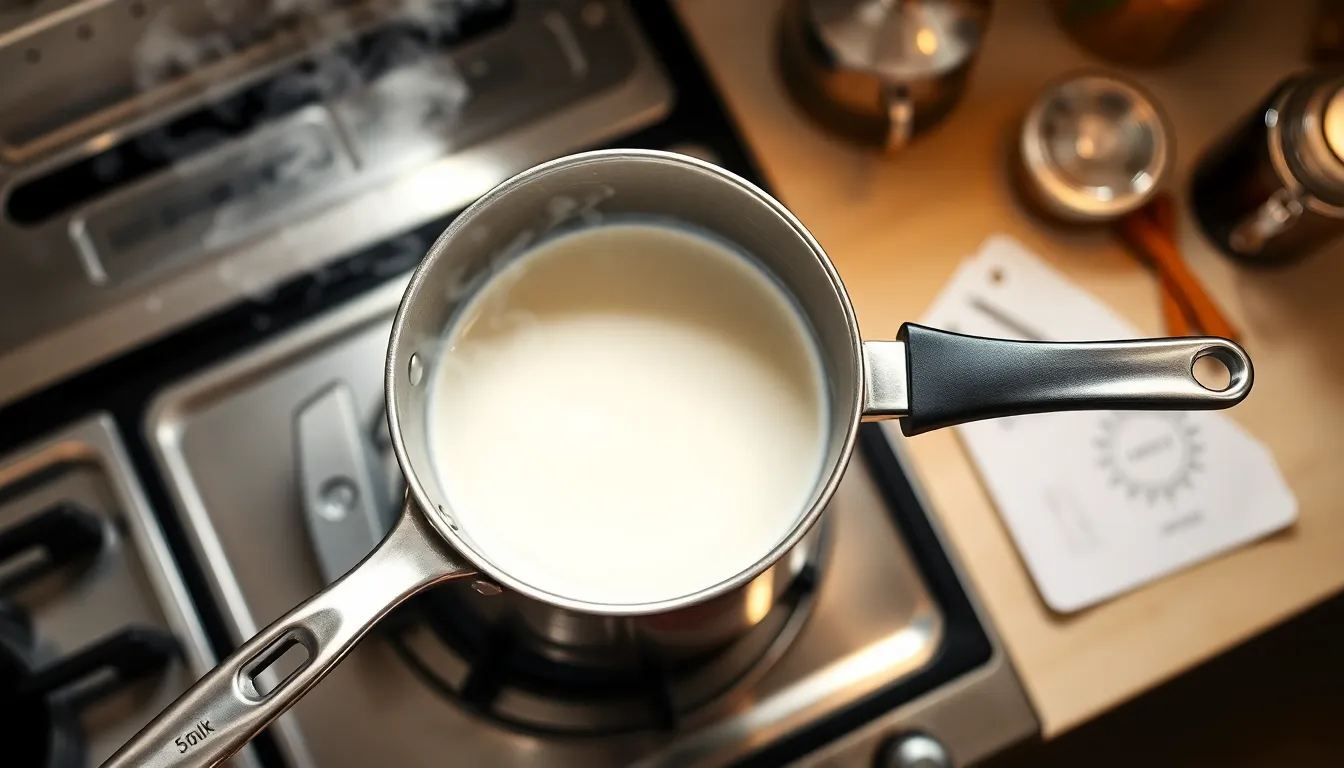
Warming up milk might seem like a simple task, but it’s an art form that can turn your ordinary cup of cocoa into a velvety delight. Whether it’s for a cozy bedtime drink or a creamy addition to your morning coffee, knowing how to properly warm milk can elevate your beverage game. Let’s face it, nobody wants a lukewarm latte that tastes like it’s been sitting in the sun.
Benefits Of Warming Up Milk
Warming milk enhances its natural flavors, making beverages more enjoyable. Elevated taste improves the overall experience in drinks like coffee or hot chocolate. Heat encourages the release of sugars in milk, resulting in a sweeter flavor profile.
Comfort is another significant benefit. Warm milk can promote relaxation and aid sleep, thanks to its tryptophan content. This amino acid contributes to the production of serotonin and melatonin, helping regulate sleep cycles.
Nutrition also plays a role. Warm milk facilitates easier digestion, allowing the body to absorb nutrients more effectively. Certain recipes, such as custards or sauces, benefit from warm milk, ensuring proper consistency and texture.
Improved foam production occurs when milk is warmed, especially in lattes and cappuccinos. Frothing warmed milk creates a rich, creamy texture that adds to the aesthetic of the drink.
Warming milk promotes a delightful drinking experience. When enjoyed at the right temperature, milk’s texture becomes velvety, providing comfort and indulgence.
Safety concerns diminish with warming, as heated milk can kill harmful bacteria. This process ensures a safer, healthier option compared to consuming it cold.
Overall, warming milk elevates beverages while offering nutritional and sensory benefits.
Stovetop Method
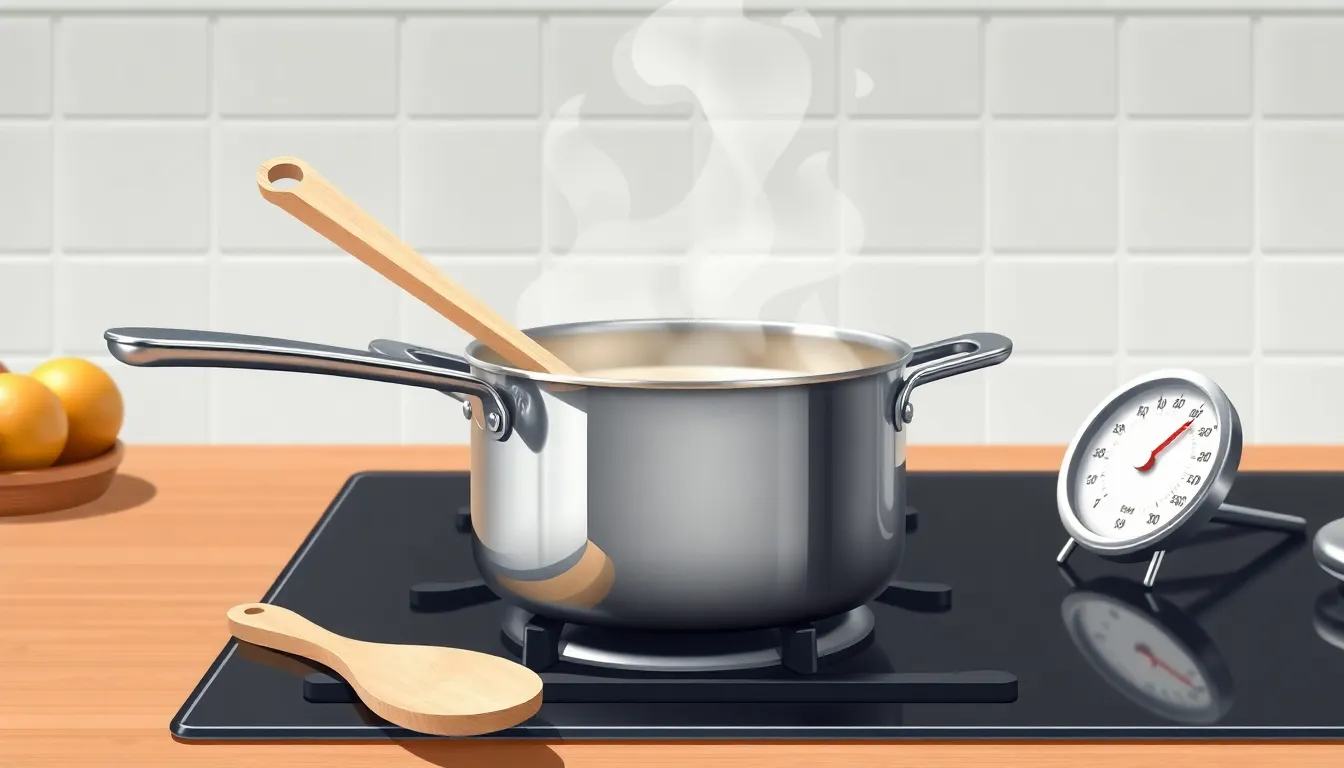
Warming milk on the stovetop offers precise control over temperature. This method yields even heating, preventing scalding or burning.
Equipment Needed
- Saucepan: A stainless-steel or non-stick saucepan works best for consistency.
- Spatula or Whisk: A spatula or whisk helps stir the milk, ensuring an even temperature.
- Thermometer: A kitchen thermometer checks the milk’s temperature, aiming for approximately 150°F (65°C).
- Lid: A lid can cover the saucepan to limit evaporation if desired.
Step-by-Step Instructions
- Pour Milk: Start by pouring the desired amount of milk into the saucepan.
- Heat: Place the saucepan over low to medium heat.
- Stir: Regularly stir the milk using a spatula or whisk for uniform heating.
- Monitor Temperature: Use the thermometer to check when the milk reaches about 150°F (65°C).
- Remove from Heat: Once the milk is warm, remove the saucepan from heat immediately to avoid scalding.
- Serve: Pour the warmed milk into your beverage or recipe for an enhanced flavor experience.
Microwave Method
Warming milk in the microwave offers a quick and convenient option. This method requires minimal equipment and allows for easy heating without supervision.
Equipment Needed
- Microwave-safe container: Opt for glass or ceramic containers as plastic can warp.
- Microwave: Ensure functionality and suitable power settings for effective heating.
- Utensil: Use a spoon to stir the milk to promote even warming.
Step-by-Step Instructions
- Pour the desired amount of milk into the microwave-safe container.
- Heat the milk on medium power to control the temperature efficiently.
- Set the timer for 30 seconds initially, then check the milk carefully.
- Stir the milk thoroughly after heating to distribute the warmth evenly.
- Repeat the heating process in 15-second intervals until reaching about 150°F (65°C).
- Use immediately to enhance beverages or allow it to cool slightly for other recipes.
Tips For Perfectly Warmed Milk
Mastering the subtleties of warming milk enhances the overall experience. Temperature plays a crucial role in maximizing flavors while ensuring safety.
Temperature Considerations
Temperature matters when warming milk. Aim for a target of approximately 150°F (65°C) for optimal results. Using a thermometer provides accuracy, ensuring the milk doesn’t scald. Lower temperatures can lead to an unappealing lukewarm drink, while excessive heat destroys proteins, altering texture. Avoid boiling, as it can also change the milk’s flavor. Regular stirring during the heating process promotes even temperature distribution. Maintaining this balance enhances the taste experience with beverages.
Flavors and Additions
Flavors and additions can elevate warmed milk. Consider incorporating vanilla extract, cinnamon, or cocoa powder for a more indulgent beverage. Natural sweeteners, like honey or maple syrup, add depth while complementing the warmth. Gradually adding these ingredients during heating ensures proper blending. Spices can also offer aroma, enhancing the overall sensory experience. Creativity in flavoring transforms ordinary warmed milk into a gourmet option. Experimenting with various combinations can yield delightful surprises, catering to different tastes.
Common Mistakes To Avoid
Serving milk that’s too hot can ruin the drink’s flavor and texture. Aim for around 150°F (65°C) to enhance enjoyment without compromising quality. Overheating leads to scalding or burning, resulting in an unpleasant taste.
Neglecting to stir the milk while heating often causes uneven temperatures. Stir regularly to ensure consistent warmth throughout the liquid.
Using the wrong container may also create issues when microwaving milk. Always select microwave-safe glass or ceramic containers to avoid potential hazards.
Failing to monitor the heating process can result in mishaps. Check the milk frequently during heating, especially when using a microwave, to prevent accidental boiling.
Adding ingredients too early may dilute flavor. Introduce sweeteners or spices after the milk reaches the desired temperature for a more satisfying taste.
Assuming all milk types heat the same leads to misunderstandings. Whole milk and alternatives like almond or soy may require different heating times and methods, so adjustments might be necessary.
Finally, expect to waste milk if pouring it directly from the container to saucepans. Measure the amount needed before heating to avoid spills and unnecessary waste.
Warming milk is a simple yet transformative technique that elevates beverages and enhances their flavors. Whether using the stovetop or microwave method, achieving the right temperature is key to unlocking the milk’s full potential. With careful attention to detail and a few tips, anyone can create a comforting and enjoyable drink experience.
Incorporating flavors or sweeteners can further enrich the warmed milk, making it a delightful addition to various recipes. By mastering the art of warming milk, individuals can turn everyday drinks into indulgent treats that offer both taste and nutritional benefits. Embracing this practice can lead to a more satisfying and flavorful beverage experience.

